Industrial Steel Buildings North Georgia
Part of our Metal & Steel Buildings North Georgia resources.
Industrial steel building construction in North Georgia. Manufacturing and distribution facilities.

Overview
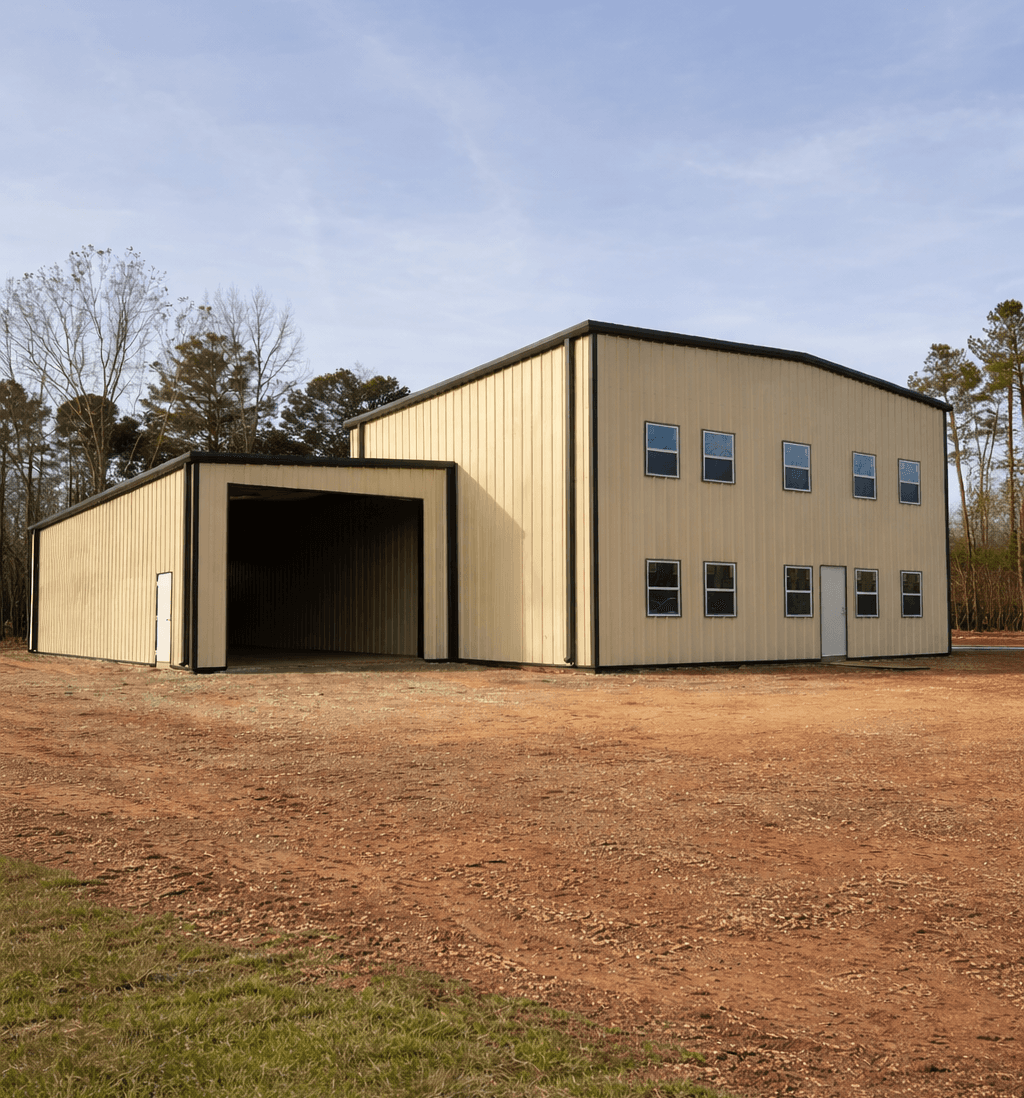
Industrial steel buildings are used for manufacturing, warehousing, and distribution. Here’s when they make sense and what drives scope and schedule so you can plan for equipment, loading, and occupancy.
Industrial buildings are often driven by process and equipment: clear height, floor loading, column spacing, and dock configuration must match your use. Foundations and slab are designed for actual loads—underdesign leads to failure. Use this as a planning guide: what to lock in early, what drives cost and timeline, and what pitfalls to avoid so the facility supports your operation from day one.
Overview
Industrial steel buildings are used for manufacturing, warehousing, and distribution. Here’s when they make sense and what drives scope and schedule so you can plan for equipment, loading, and occupancy.
Industrial buildings are often driven by process and equipment: clear height, floor loading, column spacing, and dock configuration must match your use. Foundations and slab are designed for actual loads—underdesign leads to failure. Use this as a planning guide: what to lock in early, what drives cost and timeline, and what pitfalls to avoid so the facility supports your operation from day one.

When this makes sense
When you need a durable, clear-span structure for equipment, loading, or storage and want a single team for structure and coordination. It also makes sense when you have (or can define) equipment and process requirements so the building can be sized and designed correctly from the start.
Typical timeline (high level)
- Program and design: define process, equipment, loads, and layout; align structure and slab with use.
- Permitting: submit for permit and work through jurisdiction.
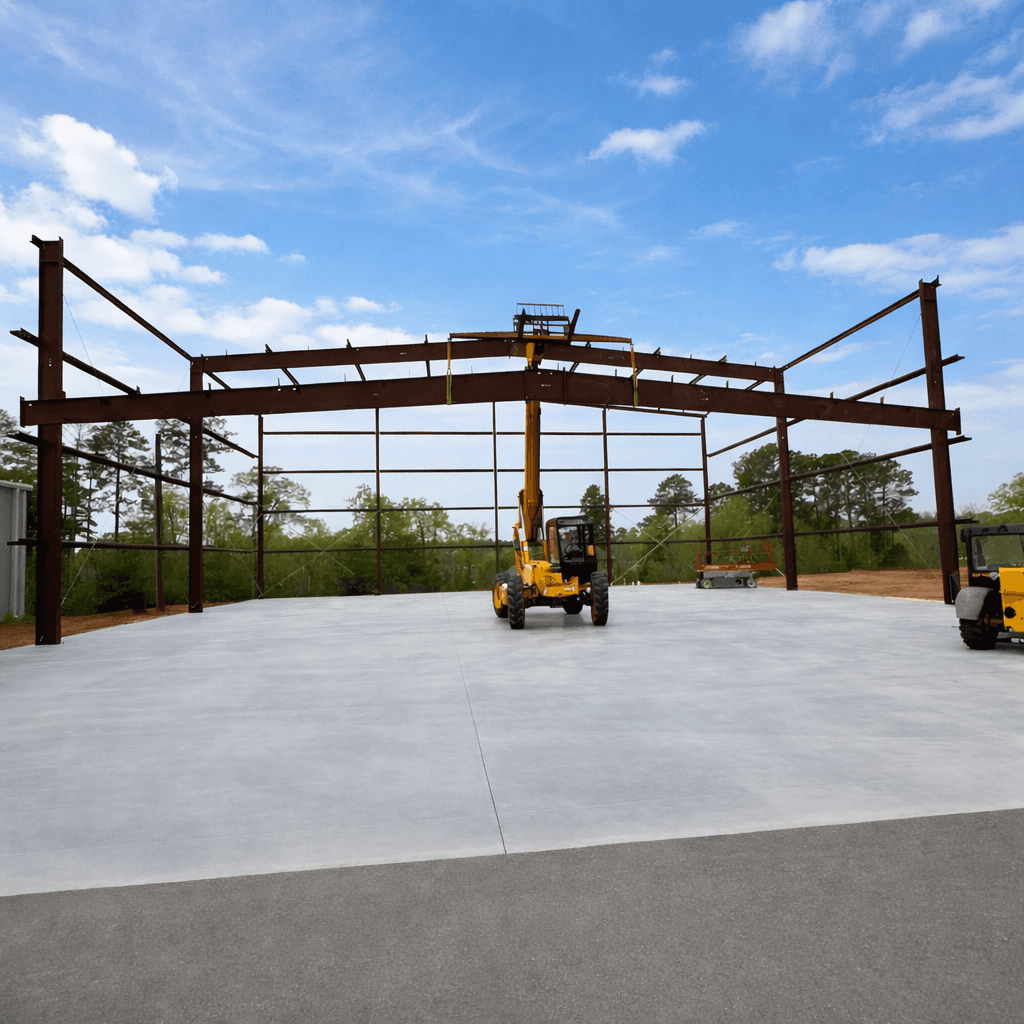
- Foundation and slab: build for actual loads and equipment layout.
- Erection: erect steel and enclose.
- MEP rough-in: power and utilities as needed.
- Inspections and closeout: pass inspections; hand off for equipment and fit-out.
- Industrial steel projects often have long-lead equipment; structure and enclosure are sequenced with your process and occupancy dates.
Key Considerations
- Loads and equipment: define point loads and distributed loads so the structure and slab are designed for actual use.
- Clear height and bay spacing: equipment height and reach affect eave height; process flow affects column spacing.
- Foundation and slab for use: industrial slabs often need specific loading and joint layout; coordinate with the structural design.
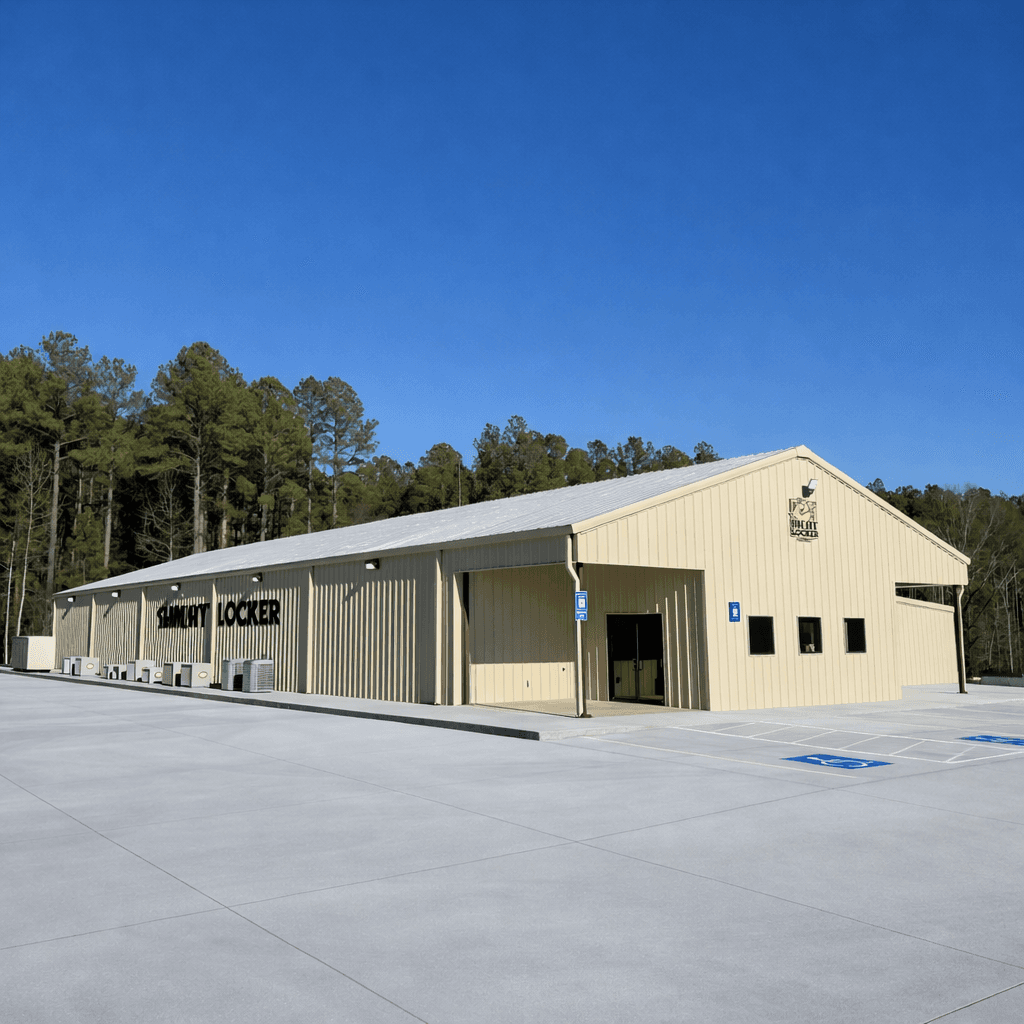
- Dock and drive configuration: dock count, height, and drive layout affect shell and site work.
- MEP and process: power, compressed air, and other process utilities need to be planned with the shell.
- Long-lead equipment: if equipment arrives on a set date, sequence shell and enclosure so the building is ready.
- Permit and jurisdiction: industrial use may have specific code and permit requirements; confirm early.
- Expansion: consider future expansion so the site and structure don’t block it.
- Access and delivery: large equipment may need special access; confirm before finalizing layout.
Common pitfalls

- Sizing too small for future equipment or process and outgrowing the building quickly.
- Foundations and slab not designed for actual loads and failing under use.
- Not coordinating dock and drive layout with the shell and discovering conflicts later.
- Ordering the building before equipment layout is fixed and discovering clear height or column conflicts.
- Ignoring long-lead equipment and having the shell ready too early or too late.
- Underestimating MEP and process utility cost and only budgeting for the shell.
- Skipping early permit and code review and hitting surprises at permit.
Common pitfalls
- Sizing too small for future equipment or process and outgrowing the building quickly.
- Foundations and slab not designed for actual loads and failing under use.
- Not coordinating dock and drive layout with the shell and discovering conflicts later.
- Ordering the building before equipment layout is fixed and discovering clear height or column conflicts.
- Ignoring long-lead equipment and having the shell ready too early or too late.
- Underestimating MEP and process utility cost and only budgeting for the shell.
- Skipping early permit and code review and hitting surprises at permit.
Ready to discuss your project?
Get a construction consultation tailored to your build.